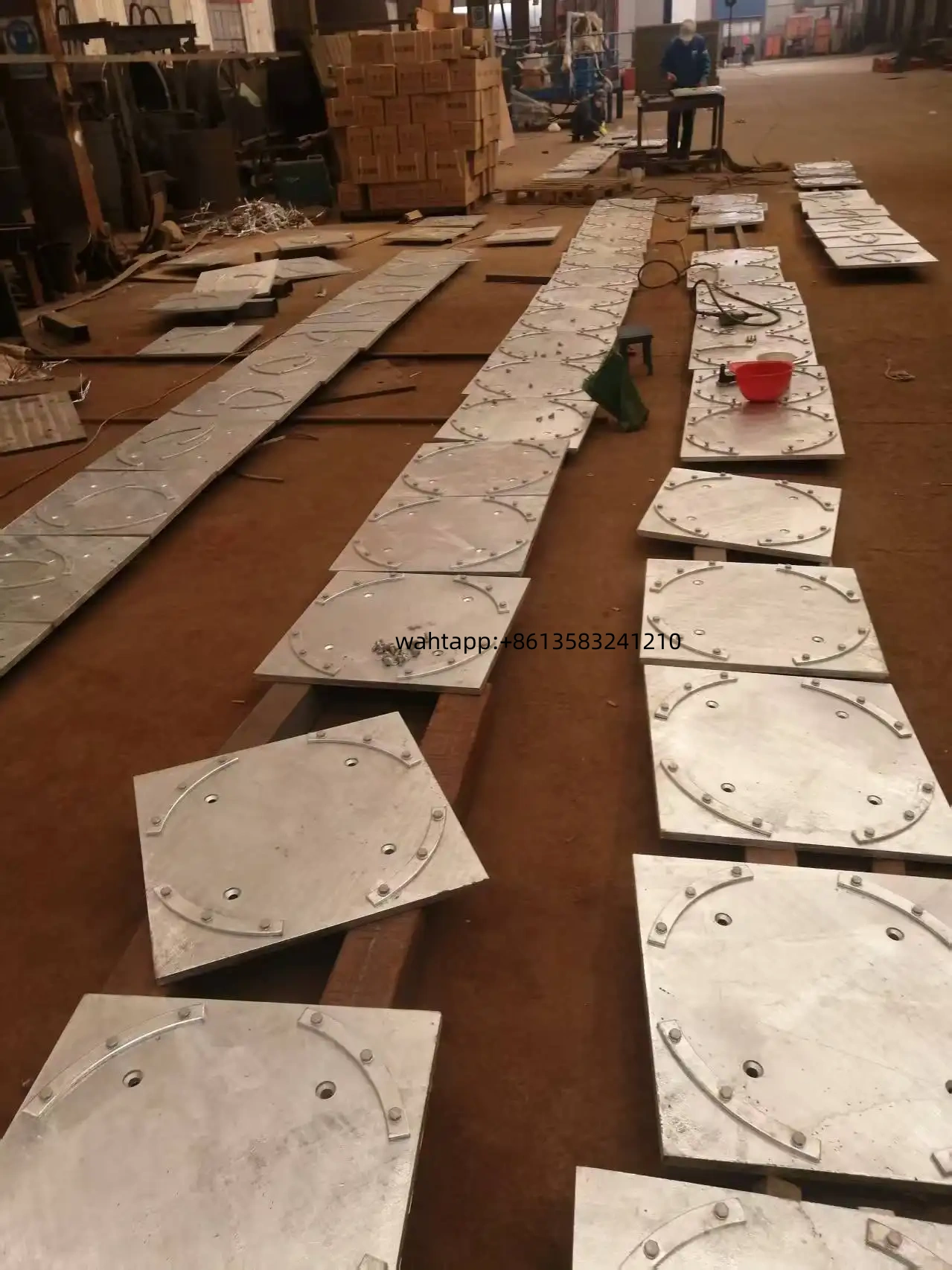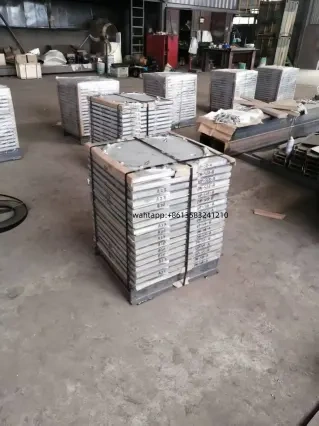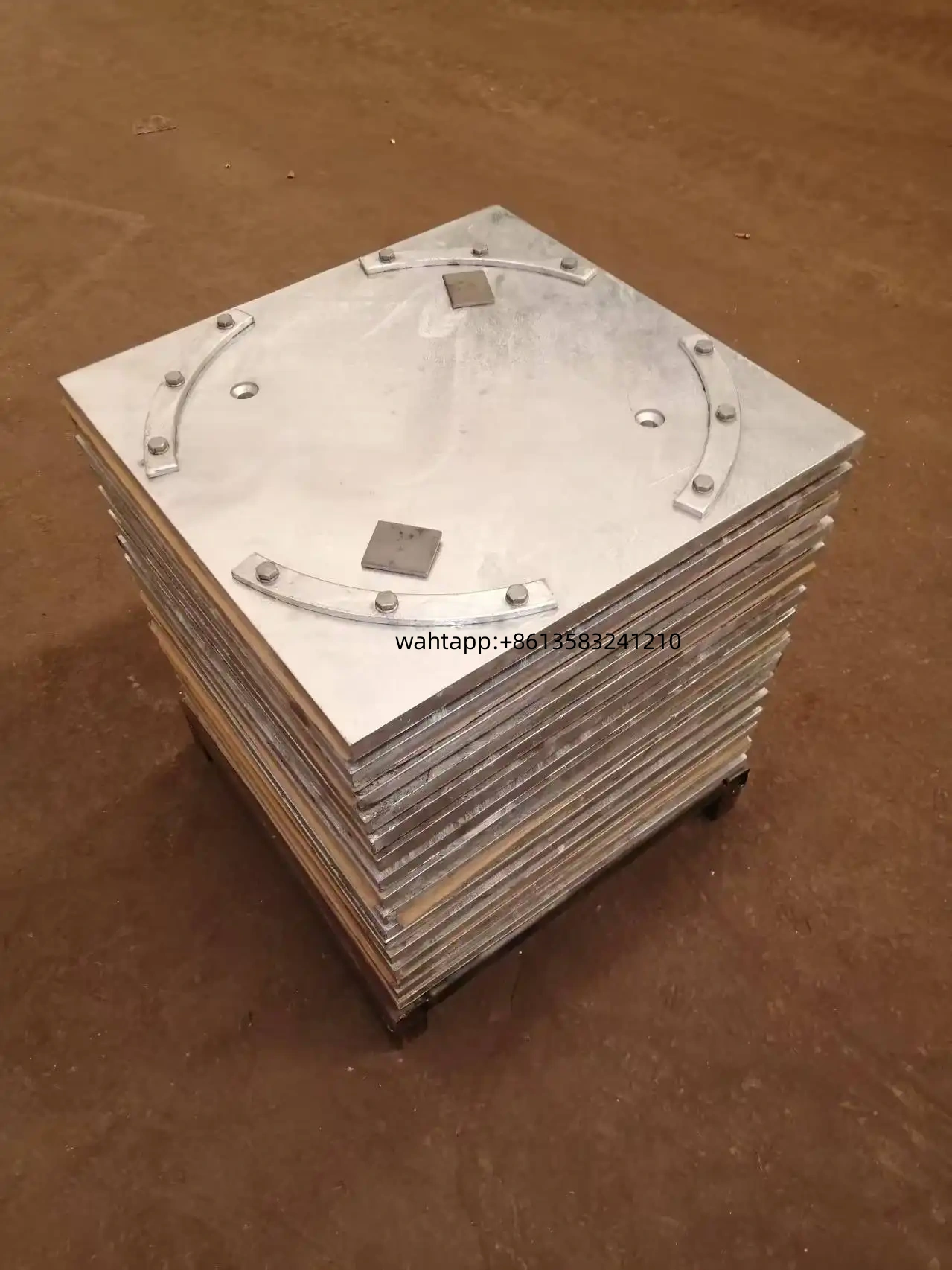
Bridge Bearing Plates
More Services
Storage Container
Domestic Trucking
Warehousing
Customs Clearance
Contact Us
Overview
Bridge bearing plates typically refer to load-bearing and force-transferring components installed between the upper structure of a bridge (such as main beams or slab girders) and the lower structure (such as piers or abutment caps), or between steel beams and concrete structures.Bearing plate bridge primary functions include evenly distributing loads, adjusting elevation and slope, accommodating minor displacements and rotations, and protecting concrete structures.
- Uniform Load Distribution: Bearing plate in bridge spreads concentrated loads from the beam through its bearing plate and transfers them evenly to the top surface of the pier or abutment,sliding plate bearing in bridge preventing localized crushing of the concrete. Leveling and Slope Adjustment: Bridge bearing plate compensates for construction tolerances on pier surfaces, manufacturing deviations in beams, and designed longitudinal/transverse slopes, ensuring precise beam placement and smooth load transfer.
- Providing Rotation Capability: Bridge bearing keeper plates When a bridge deflects under load (especially live loads), beam ends undergo rotation. (Particularly elastic or spherical bearing pads) can accommodate such rotations, preventing additional bending moments and constraint stresses at the beam ends.
- Cushioning and Vibration Damping: Certain types of bridge bearing keeper plates (such as rubber pads or high-damping pads) absorb impact energy, reducing shock and vibration from vehicle loads on the bridge structure.
- Corrosion Prevention and Isolation: Serving as an isolation layer between metal (steel beams) and concrete, bridge bearing plate manufacturers products can prevent electrochemical corrosion and allows for thermal expansion and contraction of the beams due to temperature changes.
Product Display