Hoarding Construction
More Services
Storage Container
Domestic Trucking
Warehousing
Customs Clearance
Contact Us
Overview
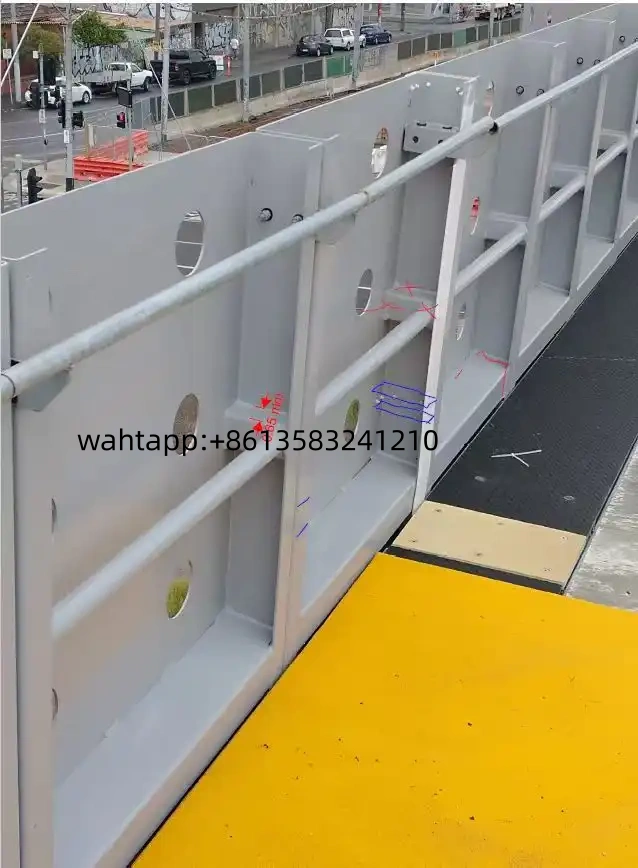
Construction hoarding refers to temporary barrier facilities installed around construction sites, municipal engineering areas, and other work zones. Hoarding construction is designed for physical isolation, safety protection, dust and noise reduction, visual presentation, and traffic guidance. Hoarding in construction is not only a legally mandated safety measure but also an essential component of modern construction management and corporate image.
Construction site hoarding Core Functions and Roles:
- Physical Isolation: Hoarding fencing construction site completely separates hazardous construction areas from public spaces, pedestrians, and vehicles to prevent unauthorized entry.
- Fall Prevention: Construction hoardings prevent materials and tools from falling from heights and injuring passersby outside the site.
- Splash Protection: Construction site hoardings block flying sparks from welding, cutting debris, and other hazardous particles.
- Clear Construction Boundaries: Hoardings construction define the scope of the construction site, facilitating effective management.
- Pedestrian and Traffic Guidance: Through strategically placed openings, hoardings in construction regulate entry and exit pathways for personnel and vehicles.
- Dust and Noise Reduction:Temporary construction site hoarding effectively minimizes the spread of construction dust and noise to the surrounding environment.
- Mud and Water Containment: Equipped with water-retaining barriers at the base, hoarding for construction sites prevent site slurry from contaminating adjacent roads.
- Corporate Image Display: The exterior surface of construction hoarding boards serves as an excellent medium for advertising and promotion, showcasing project details, corporate culture, and public service messages.
- Information Disclosure: Building hoarding construction displays required notices such as project overviews, safety warnings, and regulatory compliance boards (e.g., the “Five Boards and One Diagram”), meeting legal requirements and enhancing transparency.
Product Display